BC Game is an online crypto gambling site where you can place bets on games and sports-style outcomes using instant deposits and quick withdrawals. If you’re new, start by learning how deposits, wagering, and withdrawals work, then pick one game mode and practice with small stakes. The biggest beginner win is staying organized: know your limits, understand the odds display, and avoid chasing losses.
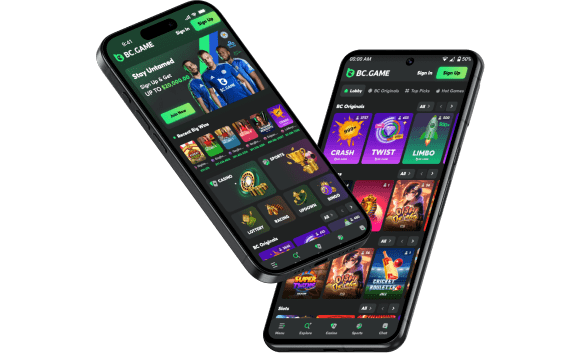
If you want a straightforward entry point, you can review the platform at https://ng-bcgame.com/ and then come back here to build a simple setup routine. In practice, I recommend you spend your first session doing setup only—payment method, verification steps, and a single low-risk round—before you decide what you actually like. However, it’s easy to get distracted by flashy promos, so keep your focus on how the games pay out.
Getting Started: Accounts, Deposits, and Basic Safety
Before you bet anything, make sure your account is fully ready. Most people run into trouble when they skip verification or don’t confirm which network their funds use, and that’s avoidable. On a typical crypto flow, you’ll choose a coin, copy a deposit address, send funds, then wait for confirmations. To be fair, confirmations can vary from minutes to longer depending on the chain and network load.
Also, set a budget you can actually stick to, because “small” can still add up quickly when you play repeatedly. A simple method is to decide an amount for the day and an amount you’ll stop at, like 10% of your bankroll. Then you should track the result of each session, not each individual bet, so you can spot patterns. If you’re using multiple accounts, keep them organized; otherwise, you’ll lose track of balances and withdrawal timing.
Payment methods you’ll likely see
BC Game-style platforms usually support several crypto options, and the key detail is matching the network. For example, ETH deposits can require ERC-20 compatibility, while USDT can be on different chains such as TRC-20 or ERC-20. If you send on the wrong network, recovery can be difficult, and support may ask for specific transaction hashes. So, before you send real money, do a tiny test transfer and confirm the balance updates.
- Use a small test deposit first, then scale up once it lands correctly.
- Save the transaction ID and screenshot the deposit confirmation.
- Double-check wallet network settings before you broadcast.
Security habits that matter on day one
Enable any available security features, like email confirmation or two-step verification, and don’t ignore them. Notably, many beginners reuse passwords across sites, which turns a minor breach elsewhere into a direct problem here. As a rule, use a unique password and a password manager if you can. If the site offers session management or withdrawal checks, read those prompts instead of clicking through quickly.
How BC Game Works: Picking Games and Understanding Payouts
BC Game’s core experience is simple: you choose a game, place a bet amount, and watch an outcome resolve quickly. The part that trips beginners is payout logic—some modes pay higher but trigger only under specific conditions. When you’re learning, focus on the displayed payout multipliers and the house rules shown for that game. For example, a game might show a potential return multiple, but your net profit is always the payout minus your stake.
When you choose a game, start with one that has clear rounds and quick results. A practical starter path is to try a low minimum bet option, then compare how often you win and how big the typical payout is. However, don’t overfit to a short streak; a run of losses can happen even when the long-run expectation is stable. Instead, treat your first few sessions like training: observe, record, and only then adjust.
What to look for before you place a bet
Before you click “place,” check at least four things: minimum and maximum bet, the payout multiplier, the game’s resolution speed, and any limits on withdrawals. Some rounds resolve in under a minute, which makes it tempting to keep betting rapidly. That speed is convenient, but it also increases decision fatigue. If you feel rushed, pause for ten seconds and re-check the bet amount and selected option.
Here are a few beginner scenarios that show how to think. Scenario one: you deposit a small amount, place five bets of a fixed size, and stop once you reach your daily cap. Scenario two: you try two different game types, then decide based on net results after ten rounds each, not just excitement. Scenario three: you use a “one loss, one retry” rule during practice, then you stop if the retry fails twice in a row.
Common payout misunderstandings
One common mistake is confusing “payout” with “profit.” If a round pays 1.8x, that typically means you receive 1.8 times your stake back, so your profit is 0.8 times your stake. Another misunderstanding is ignoring how refunds or ties are handled, which can change your real risk. Always read the small print for that specific game mode, because rules can vary even within the same lobby.
Also, watch for UI cues that show whether your bet is “at risk” immediately. Some interfaces display totals and potential returns, but they don’t always make it obvious whether you can lose the full amount or only part of it. If anything looks unclear, use a tiny bet first; it’s a quick way to confirm how the system behaves. For some beginners, the fastest learning happens in the first ten minutes.
Budgeting, Withdrawals, and Beginner-Friendly Play Styles
Budgeting is where beginners either build consistency or drift into chaos. I usually suggest you pick a stake size you can tolerate losing without changing your mood, then stick to it for a set number of rounds like 20. If you want a simple rule, consider stopping after either (1) a small profit target or (2) a maximum loss that you pre-decide. This is dull on paper, but it works because it stops you from making emotional bets.
Withdrawals are another area where people get impatient. You should know the typical withdrawal steps: choose the coin, enter the address, confirm the amount, and wait for processing. Network fees can vary, so check the wallet before you decide on a withdrawal size. If you ever want to see the site’s update notes, look at the help or announcements, and if you use a mirror for access, remember to verify it carefully via https://ng-bcgame.com/mirror/ before trusting anything.
A practical starter bankroll plan
Here’s a plan you can run without complex spreadsheets. Deposit a small amount you’re comfortable with, then allocate 60% for learning rounds and 40% for your preferred game once you understand it. For the learning portion, use the smallest available bet and keep the number of rounds fixed, like 15 to 25. Then, if you still enjoy the gameplay, move only 10% of your total deposit into the higher-stakes range, and keep that cap for the rest of the session.
Two play styles that reduce impulsive decisions
First is the “time-boxed session.” You set a timer for 30 to 45 minutes, place bets within that window, and stop when it ends even if you’re on a streak. Second is the “rule-based retry.” You define one condition, such as “if I lose twice, I stop,” and you don’t negotiate with yourself during the session. Notably, both styles work because they limit how quickly losses can turn into larger losses.
When to stop and when to adjust
Stop immediately if you can’t explain why you placed a bet in one sentence. If you’re betting because you feel you “should” win, that’s the moment to pause. Adjust only one variable at a time—stake size, game type, or session length—so you can tell what actually changed your results. As a rule, if you switch games every few minutes, you’ll never learn whether you improved your strategy or just changed the randomness.
Finally, keep your records simple. Write down the coin used for deposits, the number of rounds, and the approximate net result after each session. That’s enough to spot patterns like consistently misunderstanding payout multipliers or choosing rounds that resolve too fast for your decision style. With that habit, you’ll grow from “trying things” to making deliberate choices, which is the real beginner edge.